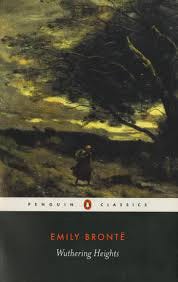
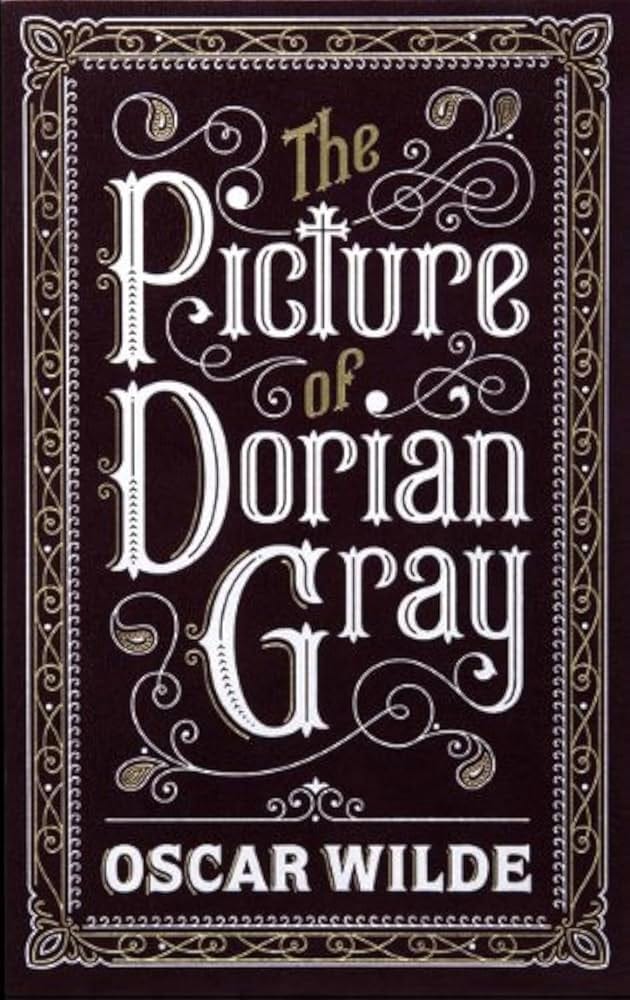
the gothic rising
rosalia and charli xcx – frankenstein and wuthering heights

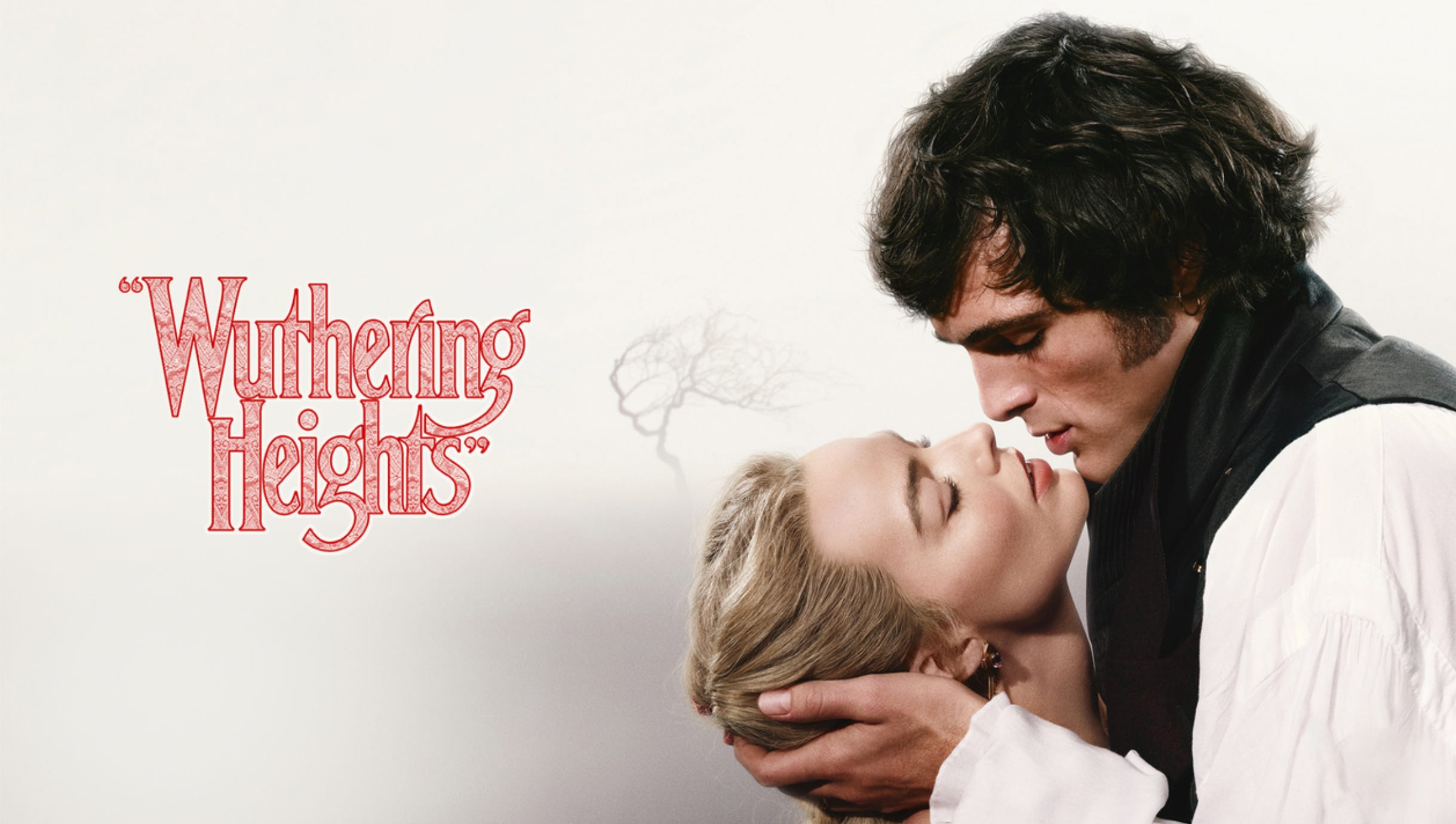
The gothic era is one of the most famous eras in creative literature. it is perhaps, the backdrop of our lives in terms of horror media. It’s still used and referenced in literary spaces—we read Frankenstein in of the mandatory courses for my English and creative writing major. It’s constantly referenced in modern media through direct remakes or as inspiration, whether it’s through a supporting character or a guest star. Gothic literature and architecture were the direct response to the enlightenment period, an era very focused on the sciences and the natural world, leaving a gap in genre for the creators of gothic said gothic texts. There are many themes within the gothic fold, but it feels like existentialism is the most relevant or carries the most weight across gothic texts. While the theme is ever present in the 1800’s, there is a sort of pop girl post enlightenment gothic era happening right now through artists like Rosalia and Charli XCX. The girls are feeling this dread, this romanticism and what I would deem to be musically supernatural. Furthermore, film media is on an adjacent pathway. (and will be explored more in part 2)
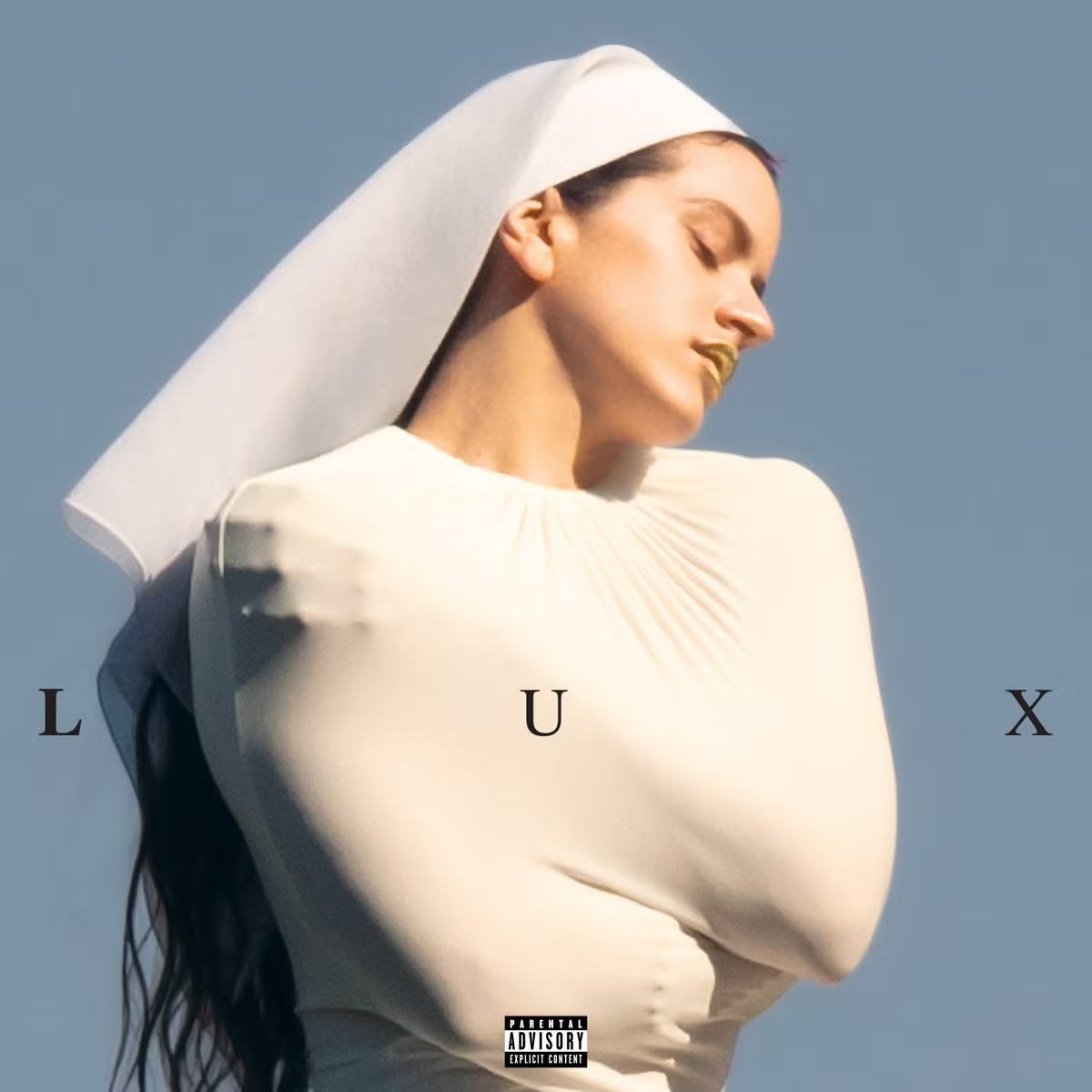
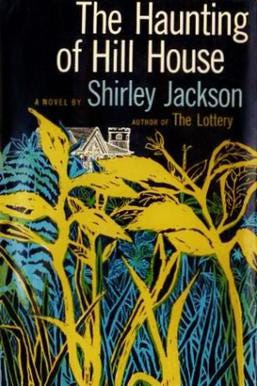
Rosalia’s lyrics are filled with existential ideas containing lots of love and loss at the core. There is a sense of loneliness in some of the songs on her newest album, Lux, as she describes struggling with love regardless of the good in relationships and connections she speaks of in her songs. The loneliness is reminiscent of the horrors found in more modern gothic literature, like Eleanor, a women trapped and confined to what seems to be a haunted house, in the haunting of hill house. Eleanor isn’t just trapped by the obvious but her ongoing struggle with herself and the mirror that society is reflecting back on her. Rosalia uses string instruments in a classical way, opening a set of emotions that we aren’t used to hearing in modern pop. They evoke, on some level, suspense and anxiety – a common theme amongst gothic literature. Her lyrics question what is means to be good or what it means to make it to heaven, and within that fold, is the experience of finding and losing love – “my hearts never been my own”. It’s a sense of loneliness but also a proclamation of not having control of her own love.

Charli has captured some of these emotions in her last album, Brat with her ideas around complex feelings and relationships within womanhood. Her experimentation with sound in the past makes her the perfect person to produce a modern album for a classic gothic story. Wuthering Heights is a story full of dread and struggle and a sense of romanticism, all of which Charli has explored on some level in her previous works. The gothic era was also produced through repressed ideas, specifically around religion but in general it became a sort of subversive genre for the time. Charli, for years, has been pushing against the grain in her sound with producers like Sophie, who invented what we call hyper pop. As I am writing this newsletter, Charli has already released her first single from the album, and it does incredible justice to the genre of gothic literature as well as the integrity of her own sound. There is a huge sense of dread as she repeats the lyrics “I am going to die in this house” eerily reminiscent of the feelings haunting of hill house evoke. Her most recent release “Chains of love” directly references the romantic relationships in wuthering heights being ever present, almost all consuming. The chain being the lack of ability to escape said relationship – something Charli has explored in the past while modeling it after the stories core themes.
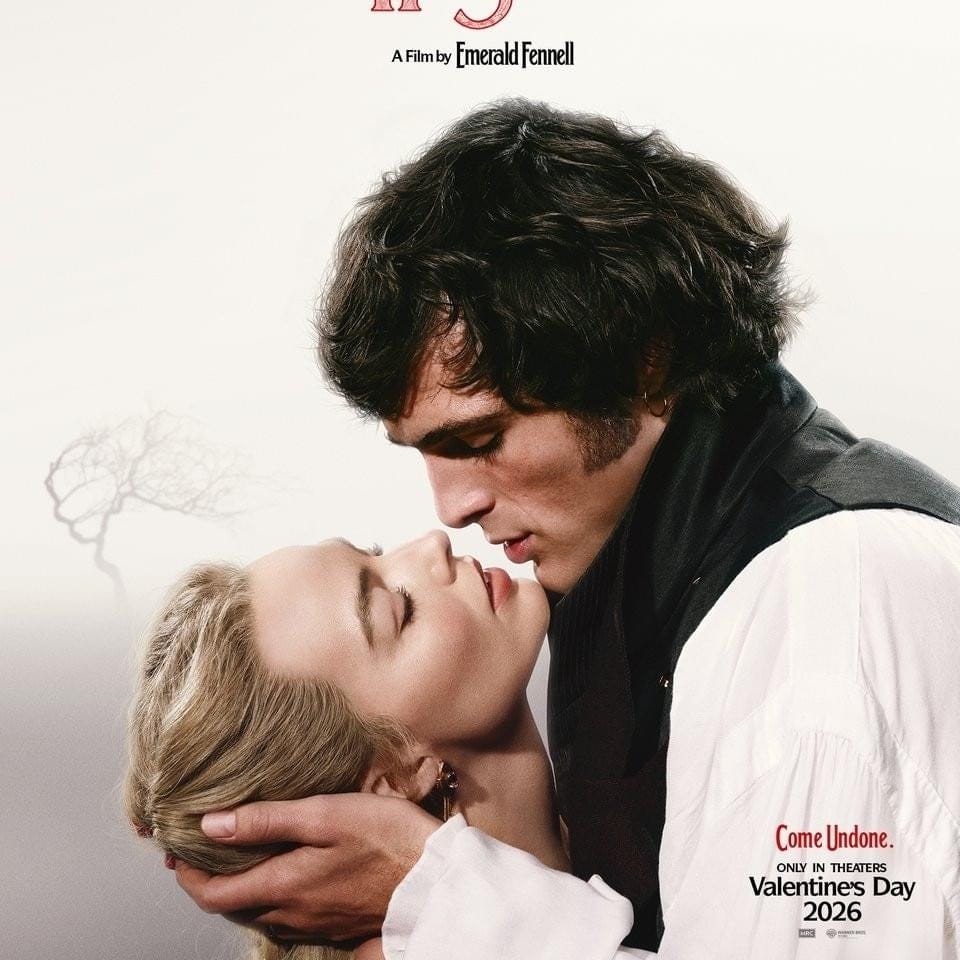
Do I think we are fully in post enlightenment? In some ways, yes – politics has shifted the cultural reception of the sciences, making them feel less relevant or important, regardless of the sciences being more of need now than ever. Are we exploring these intense themes to cope with the governments concerning lack of care for our medical and science professionals to the point that we are attempting to explore the hidden and often repressed desires we feel in not only our sexuality but our sanity?
Here is my short list for gothic literature:
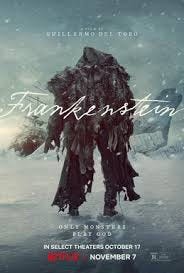
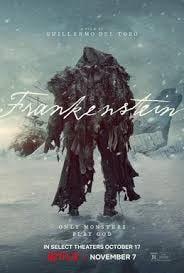
Frankenstein - Mary Shelley
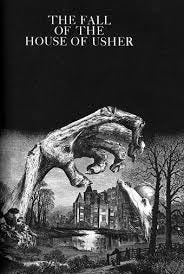
the fall of the house of usher - edgar allen poe
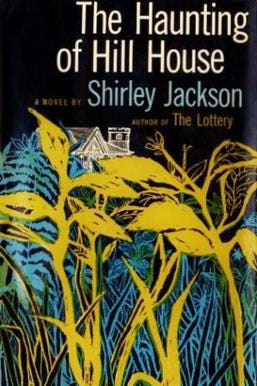
the haunting of hill house - shirley jackson
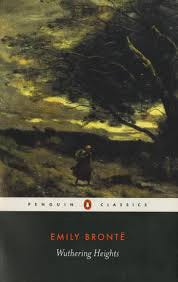
wuthering heights - emily bronte
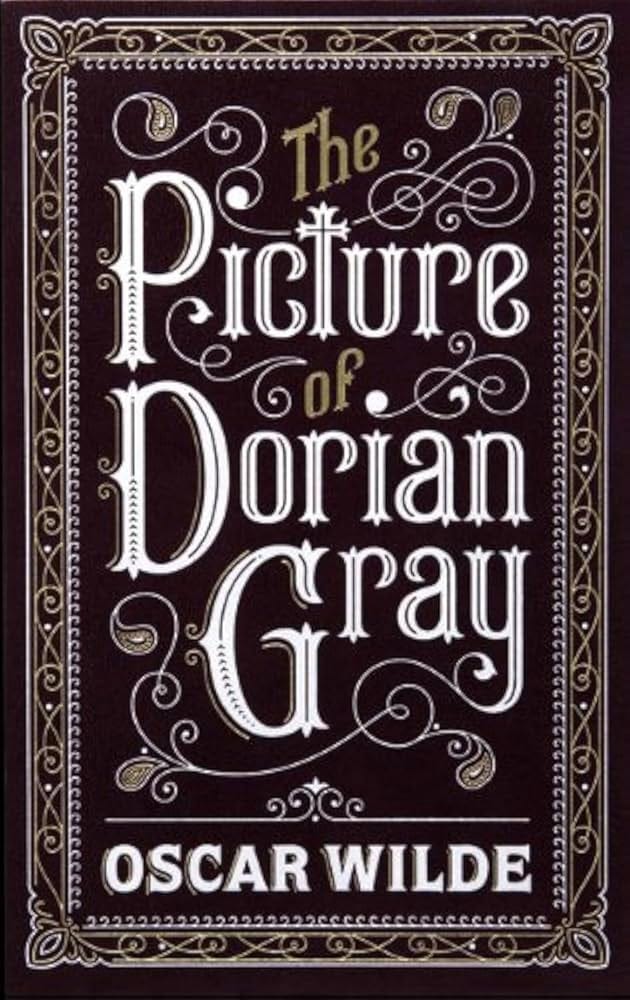
a picture of dorian gray - oscar wilde